KBS (Kimlik Bildirim Sistemi, the identity notification system) is how a hotel in Turkey electronically reports every staying guest's identity and arrival and departure times to its local law enforcement unit. Properties in police jurisdiction use the General Directorate of Security's KBS; properties in gendarmerie jurisdiction use the Gendarmerie General Command's KBS. The rule is simple: every person who stays in a room, children included, is reported individually and immediately, and their departure is reported too. This guide covers the situations front desks really face, from facility registration and the first report to room moves and a group arriving after midnight, and the most common mistakes.
- Properties in police jurisdiction use the police KBS and those in gendarmerie jurisdiction use the gendarmerie KBS; the facility code and user credentials come from your local unit.
- Reporting happens as the guest checks in; every person in the room is a separate record and the departure is reported separately.
- Record the details instead of photocopying ID cards; if your hotel software connects directly to KBS, double entry and forgotten reports disappear.
Who does KBS apply to?
Identity Notification Law No. 1774 covers hotels, motels, guesthouses, campsites, holiday villages, apartments and every similar place of accommodation. There is no difference between a starred hotel, a boutique hotel, a bungalow or a family guesthouse: if you provide a bed for money, you must keep each guest's identity and arrival-departure record and report it to law enforcement.
The law requires records to be kept day by day. An additional article added later requires accommodation facilities to connect to the law enforcement system and send the information instantly. Preparing a batch list in the evening or entering yesterday's guests the next morning is therefore not enough; the report must be made as the guest goes up to the room.
Police KBS or gendarmerie KBS?
Your address decides which one you use. Properties in city centres and police jurisdiction use the General Directorate of Security's KBS; properties in gendarmerie jurisdiction, such as rural districts, coastal strips, villages and highlands, use the gendarmerie KBS. Two hotels in the same district may even use different systems.
If you are unsure, the nearest police or gendarmerie station will tell you which unit you belong to. That unit also registers your facility: you apply with your operating licence, tax certificate, the owner's ID and the property details, and you receive a facility code, username and password. Without them you cannot report, either manually or through hotel software.
- Police jurisdiction: General Directorate of Security KBS
- Gendarmerie jurisdiction: Gendarmerie General Command KBS
- Facility code and credentials: from your local police or gendarmerie unit
- When the address, trade name or operator changes: update the record with the same unit
- Police KBSProperties in city centres and in police jurisdiction.
- The KBSProperties in gendarmerie jurisdiction, such as rural districts, coastal strips, villages and highlands.
Starting for the first time: facility registration step by step
For a newly opened guesthouse the order is as follows. First, your operating certificate from the municipality or the Ministry of Culture and Tourism must be ready. Then you visit your local law enforcement unit and request KBS registration. Once registration is complete, you sign in with the user you were given, change your password and define your room list.
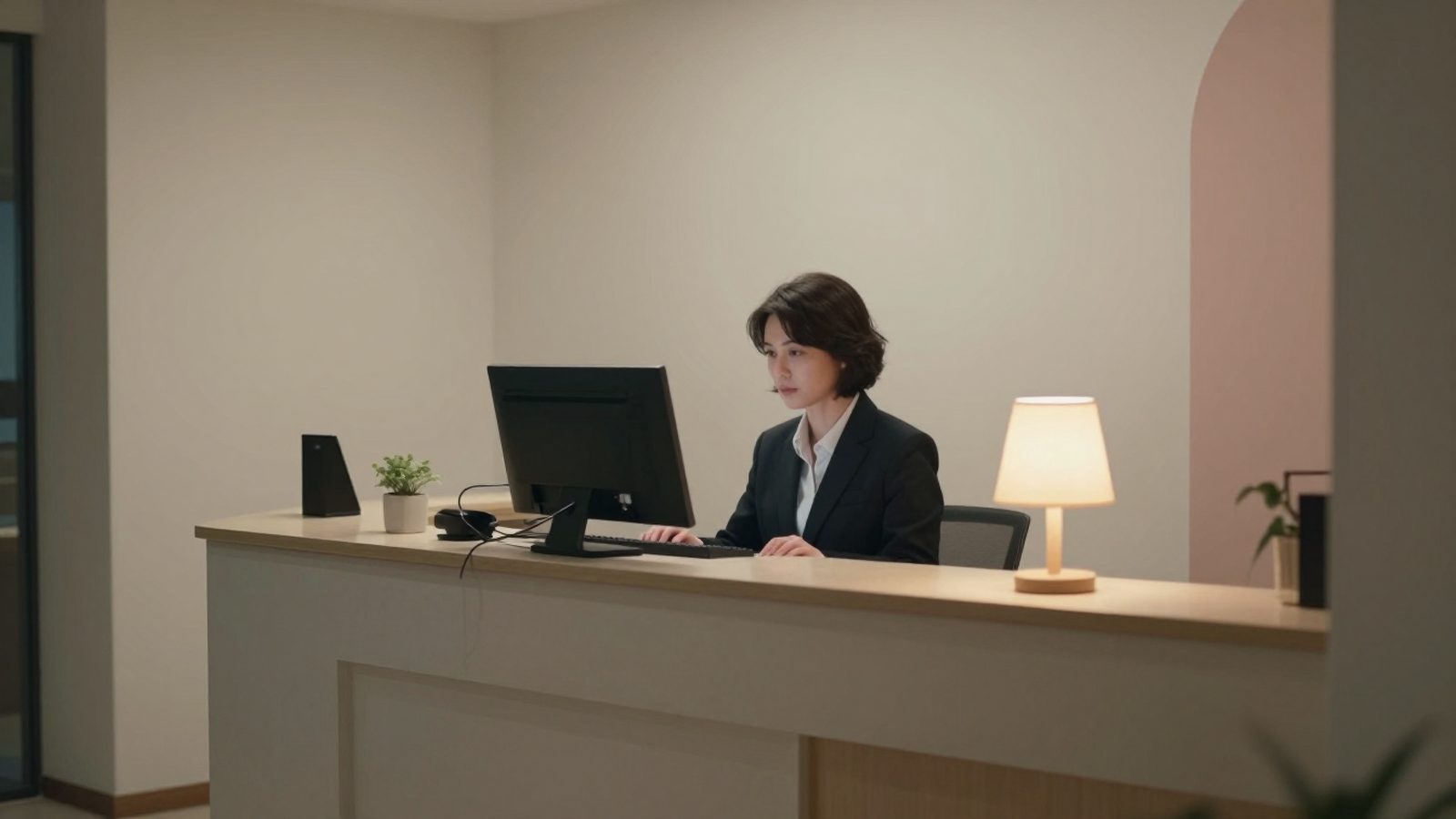
A common mistake at this stage is the whole front desk sharing a single user. You may later need to prove who made which report during a shift. Where possible, each receptionist should work with their own user, and a departing employee's password should be changed the same day. If your hotel software is connected to KBS, the connection details are stored once, encrypted, and the person who made each report is visible from the software's user record.
How is a report made at check-in?
When the guest arrives, you take their ID card or passport, check that the document belongs to them and create the record. For Turkish citizens you enter the Turkish ID number and civil registry details; for foreign guests the passport or document number, nationality, full name, date of birth and gender. The room number and the arrival date and time are part of the report.
Open one record for every person staying in the room. Copying the booker's name to everyone in the room is the most common and the riskiest mistake. Children are separate records too; for young children without an ID document, follow your local unit's instructions. A tired front desk should not bend this rule for a family of four arriving at 01:30: four people, four records.
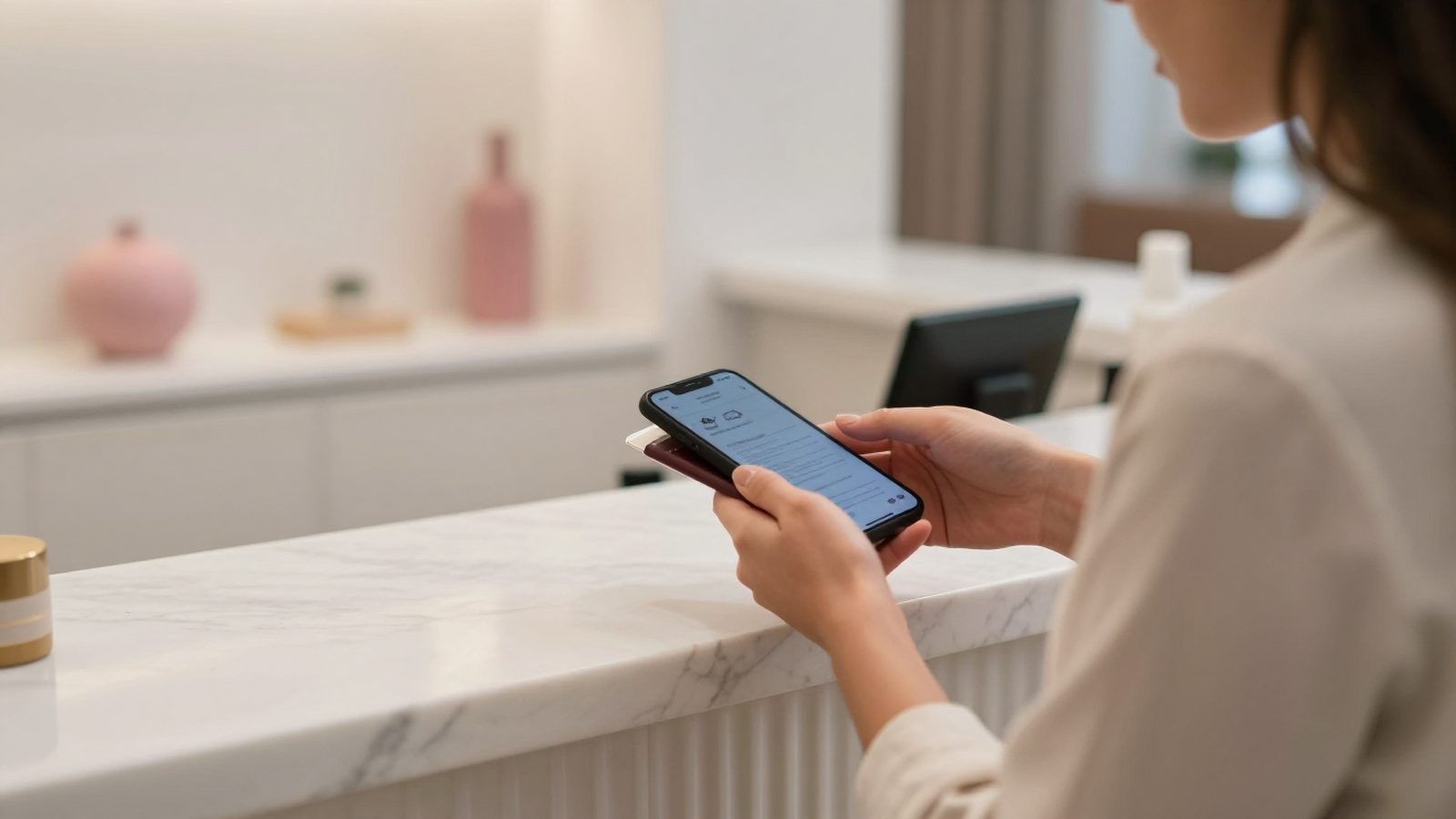
ID scanning saves a lot of time here. Software that reads the MRZ lines at the bottom of a passport or an ID card with a phone camera fills in the fields in seconds. Still, check the result once by eye; glare or a worn document can mix up O and 0 or I and 1.
- Compare the document with the person and record the details.
- Open a separate record for every person in the room.
- Make sure the room number and arrival time are correct.
- Do not consider the task finished until the screen shows the report was sent successfully.
- 1Read the documentThe ID or passport is read with the camera and the details are checked.
- 2Each person separatelyEveryone in the room, children included, is entered with their own record.
- 3Send instantlyThe report goes to the police or gendarmerie KBS together with the check-in.
- 4See the resultSuccessful, waiting or needs correction; it is visible on screen.
- 5Close the departureThe departing person's report is closed together with the check-out.
Departures, room moves and early check-outs
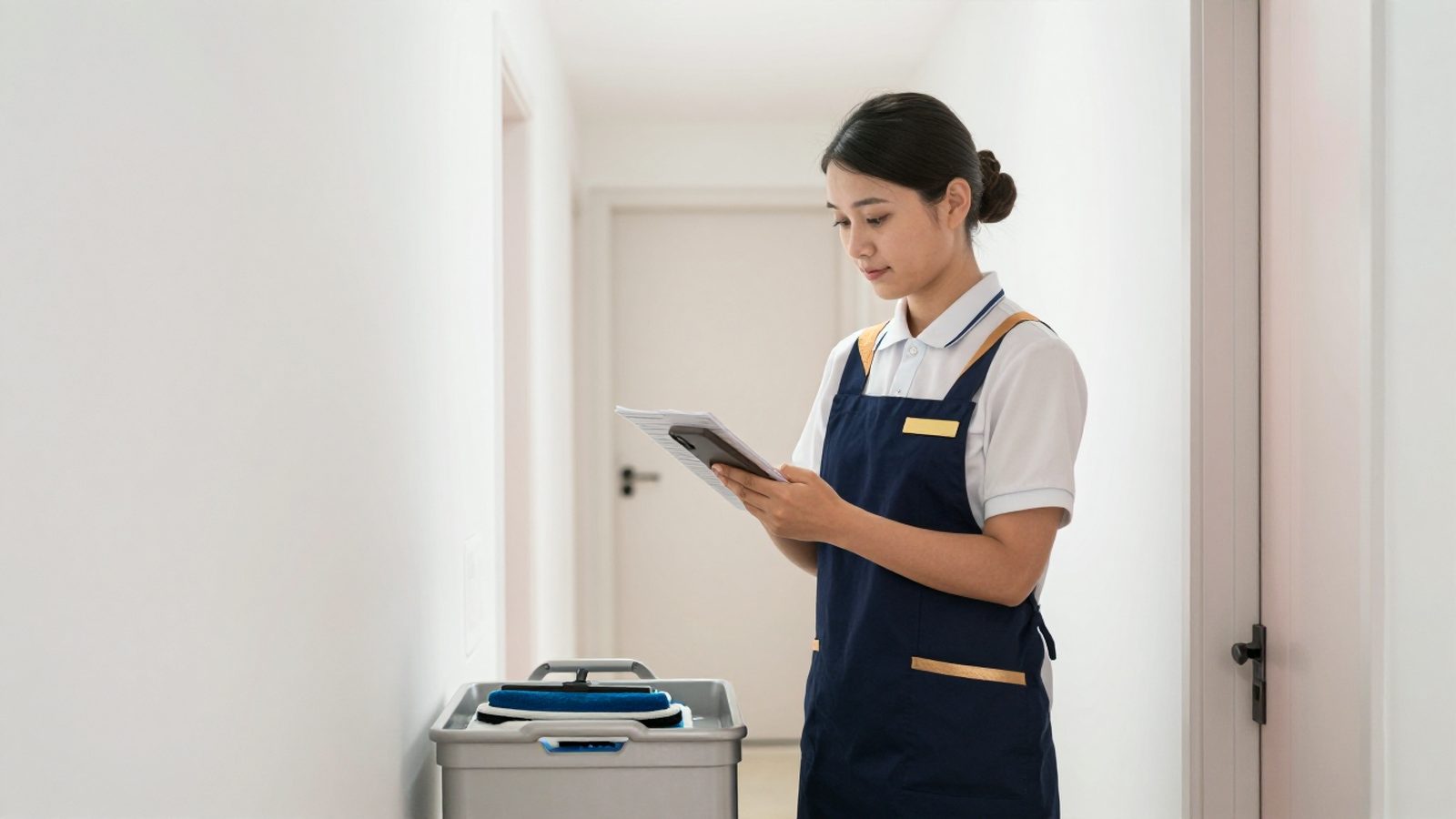
KBS needs departures as well as arrivals. Forgetting to close a report at check-out leaves people in the system who appear to be staying at the hotel for months. In an inspection, a mismatch between the KBS list and the people actually in the rooms is the first thing that will be questioned.
When a guest changes rooms, do not delete the old record and open a new one; move the record to the new room so that the history is kept. If one of two people in a room leaves early, check out only that person; if you close the whole room, the guest who stays becomes invisible in the system. Early departures, check-outs after midnight and no-shows are also reported according to the real time. A no-show guest is not reported because they never arrived; if they were checked in by mistake, handle it as a correction.
The five most common mistakes
The mistakes we see again and again at front desks are not technical; they are habits. They all have the same fix: stop treating reporting as a separate task and tie it to the check-in and check-out buttons.
- Leaving reports to the end of the shift: on busy evenings a record will certainly be forgotten.
- Not entering the second and third person in the room: especially with families and groups of friends.
- Not reporting the departure: the KBS list and the room plan drift apart.
- Resending the same record again and again when the connection drops: duplicates appear; check the result of the first attempt first.
- Collecting ID photocopies: record the information, do not keep a copy of the document.
ID photocopies and data protection (KVKK)
For years many hotels photocopied ID cards and kept them in folders. With a principle decision published in the Official Gazette in December 2025, Turkey's Personal Data Protection Board stated that photocopying or scanning and storing the Turkish ID cards of people receiving accommodation services is not proportionate. The legal obligation is to record and report the required information, not to keep a copy of the document.
In practice: read the ID, record the details in the system, hand the document back to the guest and destroy old photocopy folders according to your retention and disposal policy. Only the front desk and management should access identity data; housekeeping, waiters and accounting do not need to see a guest's ID number.
What happens if you do not report?
The additional article of the Identity Notification Law penalises three situations separately: never connecting to the law enforcement system, not sending information instantly and keeping records that are untrue. The fine is issued by the local civil administrator, the district governor or the provincial governor. A repeat violation within the same calendar year is fined at twice the previous fine; at the fourth repetition, cancellation of the operating licence comes into play.
Because the amounts in the law are updated every year by the revaluation rate, ask your local unit or your accountant for the current figure. The real risk is repetition rather than a single fine: a property that forgets a few records every day can reach the licence stage quickly within the same year.
What does KBS-connected hotel software give you?
Logging into KBS in a separate browser window and retyping every guest is both a waste of time and a source of errors. When your hotel software is connected to KBS, the details you enter at check-in become the report itself. If a field is missing (date of birth, nationality, a second guest), the software warns you before sending; if the connection drops, the record waits in a queue and is retried automatically; when you check the guest out, the report is closed too.
RoomFollow connects directly to both the police KBS and the gendarmerie KBS. A pre-send check screen shows missing ID fields, every successful and failed submission is kept in history, and the connection credentials are stored encrypted. With the iPhone app, ID cards and passports are read with the camera; the front desk sees the guest's details once and the system does the rest.
FAQ
When must a report be made to KBS?
As the guest settles into the room, that is, at check-in. The law requires accommodation facilities to send the information instantly; a batch entry at the end of the shift or the next day does not meet this obligation.
Do guesthouses and apartments also have to use KBS?
Yes. The law covers hotels, guesthouses, motels, campsites, apartments and every similar place of accommodation. The size or star rating of the property does not matter.
What is the difference between the gendarmerie KBS and the police KBS?
Both meet the same obligation; the difference is the law enforcement jurisdiction your property belongs to. Properties in police jurisdiction use the police KBS and those in gendarmerie jurisdiction use the gendarmerie KBS. The nearest station can tell you which applies.
Where do you get the KBS facility code and password?
From your local police or gendarmerie unit. You apply with your operating certificate, tax certificate and the owner's ID.
Do children also have to be reported to KBS?
Yes, every person staying in the room is reported individually. For young children without an ID document, follow your local unit's instructions.
Can a hotel photocopy guests' ID cards?
According to the Personal Data Protection Board's December 2025 principle decision, photocopying or scanning the ID cards of staying guests is not proportionate. Recording and reporting the details is sufficient.
Sources and updates
This guide is for information only and is not legal advice. For implementation details and current fine amounts, consult your local law enforcement unit. The information was checked against the sources below on 18 November 2026.